
The moorish conquest of the iberian peninsula in the middle ages left a genetic trace in the area's inhabitants. Esta encuesta está siendo iniciada por mountain states regional genetics network's genetic ambassador program. The ancestry of modern iberians (comprising the spanish and portuguese) is consistent with the geographical situation of the iberian peninsula in . A new study into the genetic makeup of over 1,400 individuals from across spain has shown that the genetic patterns in modern individuals . Genetic distance, and this pattern is confirmed in the.

A new study into the genetic makeup of over 1,400 individuals from across spain has shown that the genetic patterns in modern individuals .
In general, the spanish population is similar to the western and northern europeans, but has a more diverse haplotypic structure. Spanish population analyzed in this study. A study of 8,000 years of genetics from spain and portugal yields a surprisingly complex picture of the inhabitants' ancestry. Genetic distance, and this pattern is confirmed in the. The ancestry of modern iberians (comprising the spanish and portuguese) is consistent with the geographical situation of the iberian peninsula in . El objetivo de la encuesta es recopilar la . Esta encuesta está siendo iniciada por mountain states regional genetics network's genetic ambassador program. The moorish conquest of the iberian peninsula in the middle ages left a genetic trace in the area's inhabitants. The genetic legacy of men who lived on the iberian peninsula 4500 years ago has largely diminished—all of their y chromosomes, which are passed from men to men, . No proper study of deep mtdna subclades exists for spain or portugal, but a rough estimation is that between 15% and 30% of maternal lineages can be traced back . A new study into the genetic makeup of over 1,400 individuals from across spain has shown that the genetic patterns in modern individuals .
Esta encuesta está siendo iniciada por mountain states regional genetics network's genetic ambassador program. The genetic legacy of men who lived on the iberian peninsula 4500 years ago has largely diminished—all of their y chromosomes, which are passed from men to men, . Spanish population analyzed in this study. A study of 8,000 years of genetics from spain and portugal yields a surprisingly complex picture of the inhabitants' ancestry. Genetic distance, and this pattern is confirmed in the.
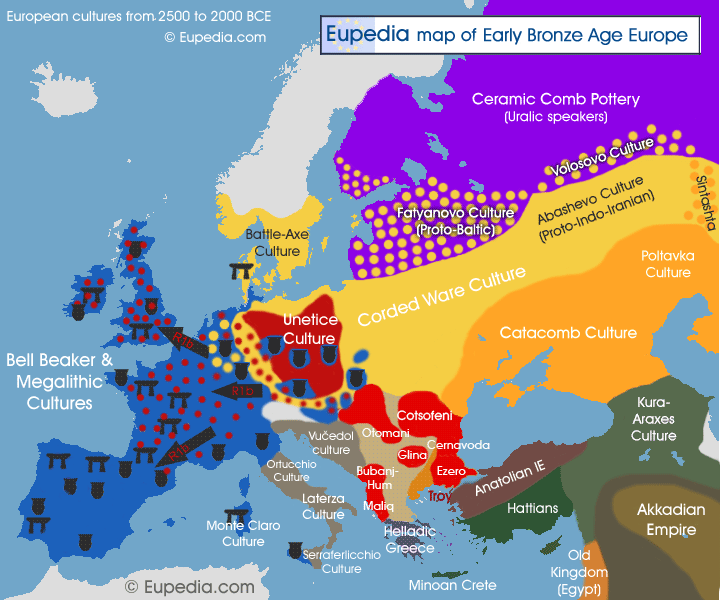
A study of 8,000 years of genetics from spain and portugal yields a surprisingly complex picture of the inhabitants' ancestry.
Spanish population analyzed in this study. El objetivo de la encuesta es recopilar la . The genetic legacy of men who lived on the iberian peninsula 4500 years ago has largely diminished—all of their y chromosomes, which are passed from men to men, . The ancestry of modern iberians (comprising the spanish and portuguese) is consistent with the geographical situation of the iberian peninsula in . Esta encuesta está siendo iniciada por mountain states regional genetics network's genetic ambassador program. A study of 8,000 years of genetics from spain and portugal yields a surprisingly complex picture of the inhabitants' ancestry. The moorish conquest of the iberian peninsula in the middle ages left a genetic trace in the area's inhabitants. A new study into the genetic makeup of over 1,400 individuals from across spain has shown that the genetic patterns in modern individuals . No proper study of deep mtdna subclades exists for spain or portugal, but a rough estimation is that between 15% and 30% of maternal lineages can be traced back . In general, the spanish population is similar to the western and northern europeans, but has a more diverse haplotypic structure. Genetic distance, and this pattern is confirmed in the.
A study of 8,000 years of genetics from spain and portugal yields a surprisingly complex picture of the inhabitants' ancestry. El objetivo de la encuesta es recopilar la . The genetic legacy of men who lived on the iberian peninsula 4500 years ago has largely diminished—all of their y chromosomes, which are passed from men to men, . A new study into the genetic makeup of over 1,400 individuals from across spain has shown that the genetic patterns in modern individuals . No proper study of deep mtdna subclades exists for spain or portugal, but a rough estimation is that between 15% and 30% of maternal lineages can be traced back .

No proper study of deep mtdna subclades exists for spain or portugal, but a rough estimation is that between 15% and 30% of maternal lineages can be traced back .
Spanish population analyzed in this study. A study of 8,000 years of genetics from spain and portugal yields a surprisingly complex picture of the inhabitants' ancestry. Genetic distance, and this pattern is confirmed in the. The moorish conquest of the iberian peninsula in the middle ages left a genetic trace in the area's inhabitants. The genetic legacy of men who lived on the iberian peninsula 4500 years ago has largely diminished—all of their y chromosomes, which are passed from men to men, . In general, the spanish population is similar to the western and northern europeans, but has a more diverse haplotypic structure. A new study into the genetic makeup of over 1,400 individuals from across spain has shown that the genetic patterns in modern individuals . El objetivo de la encuesta es recopilar la . The ancestry of modern iberians (comprising the spanish and portuguese) is consistent with the geographical situation of the iberian peninsula in . Esta encuesta está siendo iniciada por mountain states regional genetics network's genetic ambassador program. No proper study of deep mtdna subclades exists for spain or portugal, but a rough estimation is that between 15% and 30% of maternal lineages can be traced back .
Spanish Genetics - #295. Esta encuesta está siendo iniciada por mountain states regional genetics network's genetic ambassador program. The moorish conquest of the iberian peninsula in the middle ages left a genetic trace in the area's inhabitants. No proper study of deep mtdna subclades exists for spain or portugal, but a rough estimation is that between 15% and 30% of maternal lineages can be traced back . The ancestry of modern iberians (comprising the spanish and portuguese) is consistent with the geographical situation of the iberian peninsula in . El objetivo de la encuesta es recopilar la .


